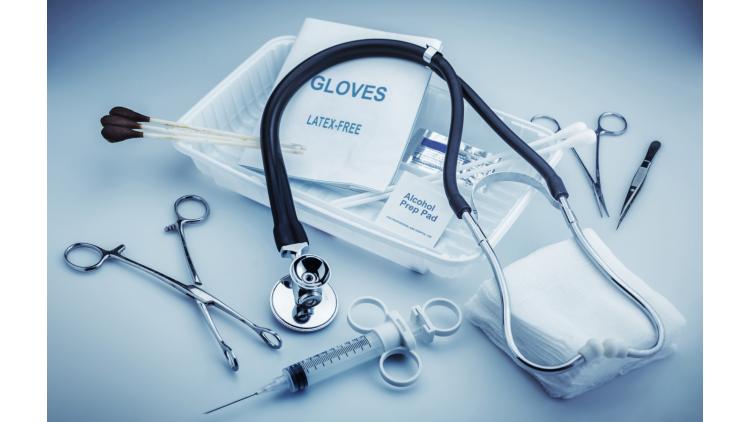
EMT (Emergency Medical Technician) syllabus typically covers a wide range of topics related to emergency medical care and transportation. Here’s an overview of the syllabus:
EMT Syllabus:
1. Anatomy and Physiology: Understanding human body structure and function. 2. Patient Assessment: Assessing patients, including vital signs, medical history, and physical examination.
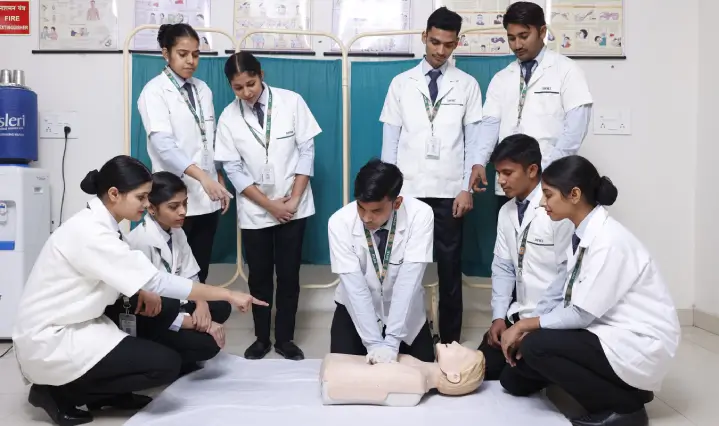
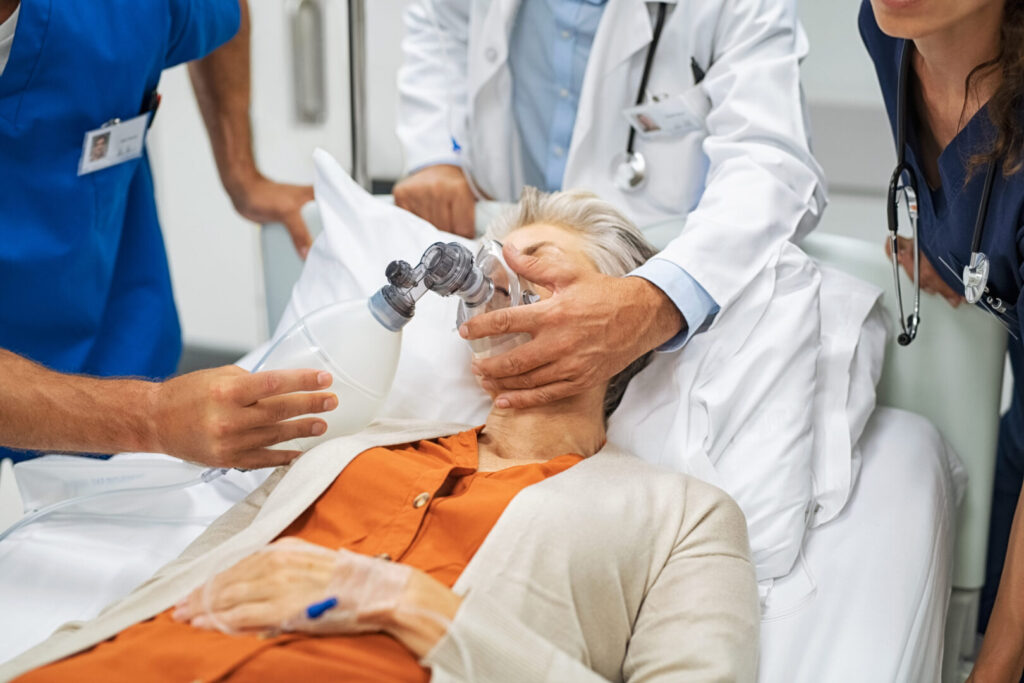
3. Airway Management: Managing airways, including oxygen therapy and ventilation 4. Cardiovascular Emergencies: Recognizing and managing cardiovascular emergencies, including cardiac arrest. 5. Trauma Care: Assessing and managing trauma patients, including bleeding control and splinting.
Medical Emergencies:
1. Medical Conditions: Recognizing and managing various medical conditions, including respiratory, cardiac, and neurological emergencies.
2. Allergic Reactions: Managing allergic reactions, including anaphylaxis.
3. Poisoning and Overdose: Recognizing and managing poisoning and overdose situations
Special Patient Populations:
1. Pediatric Emergencies: Assessing and managing pediatric patients, including newborns and children
2. Geriatric Emergencies: Assessing and managing geriatric patients, including age-related conditions
3. Special Needs Patients: Assessing and managing patients with special needs, including disabilities and medical conditions
Operations and Safety:
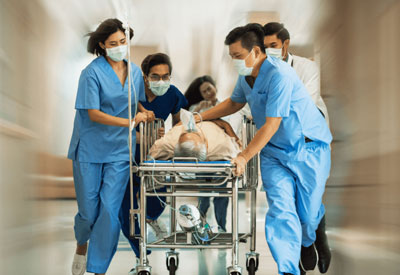
1. Ambulance Operations: Understanding ambulance operations, including safety protocols and equipment
2. Scene Safety: Ensuring scene safety, including hazardous materials and terrorism response
3. Communication and Documentation: Effective communication and documentation in emergency medical services
DEMT Career Opportunities:
1. Emergency Medical Technician: Working in emergency medical services, responding to emergency calls and providing patient care.
2. Paramedic: Providing advanced life support care in emergency situations
3. Fire Department: Working in fire departments, responding to emergency calls and providing medical care.
4. Ambulance Service: Working in ambulance services, transporting patients and providing medical care during transport.